 |
ISICO | Skill Development NGO
|
ISICO | Skill Development NGO

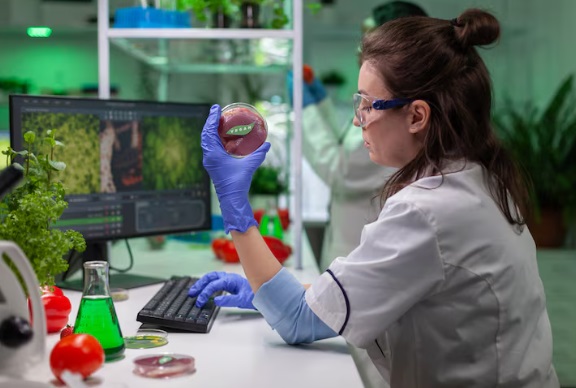
Biotechnology research is transforming multiple sectors, including healthcare, agriculture, and environmental management. By leveraging biological systems and organisms, researchers are developing innovative solutions to address some of the world’s most pressing challenges.
In healthcare, advancements in genetic engineering, gene therapy, and personalized medicine are enabling more targeted and effective treatments. Technologies such as CRISPR are revolutionizing the ability to edit genes, offering potential cures for previously untreatable diseases.
Agricultural biotechnology is also making significant progress, with the development of genetically modified crops that are more resistant to pests, diseases, and climate stress. These innovations help improve food security while reducing reliance on chemical inputs.
Environmental applications of biotechnology include waste management, bioremediation, and the development of biofuels. These approaches contribute to sustainability by reducing pollution and promoting renewable energy sources.
Collaboration between research institutions, industries, and governments continues to accelerate advancements in this field. Ethical considerations and regulatory frameworks remain essential to ensure responsible use of biotechnology.
Overall, biotechnology research holds immense potential to improve quality of life and promote sustainable development across the globe.